
Marketing For Professional Services: The Best Strategies for Growth
As a professional service provider, you already know you’re good at what you do.
You’ve got the qualifications. The experience. The results.
But getting potential clients to see that?
That’s where things can feel frustrating.
Marketing isn’t just about “getting more clients.” It’s how you build trust before someone ever speaks to you. It’s how you show professionalism. It’s how you establish yourself as the go-to expert in your sector.
Whether you’re a consultant, accountant, lawyer, financial advisor, or specialist service provider, this guide is for you.
I’m going to walk you through proven strategies that don’t rely on hype or gimmicks — just genuine, results-driven marketing that supports long-term growth.
So, let’s get into it.
Authenticity + Trust = Winning More Clients
If there’s one thing I’ve learned from working with small business owners, it’s this:
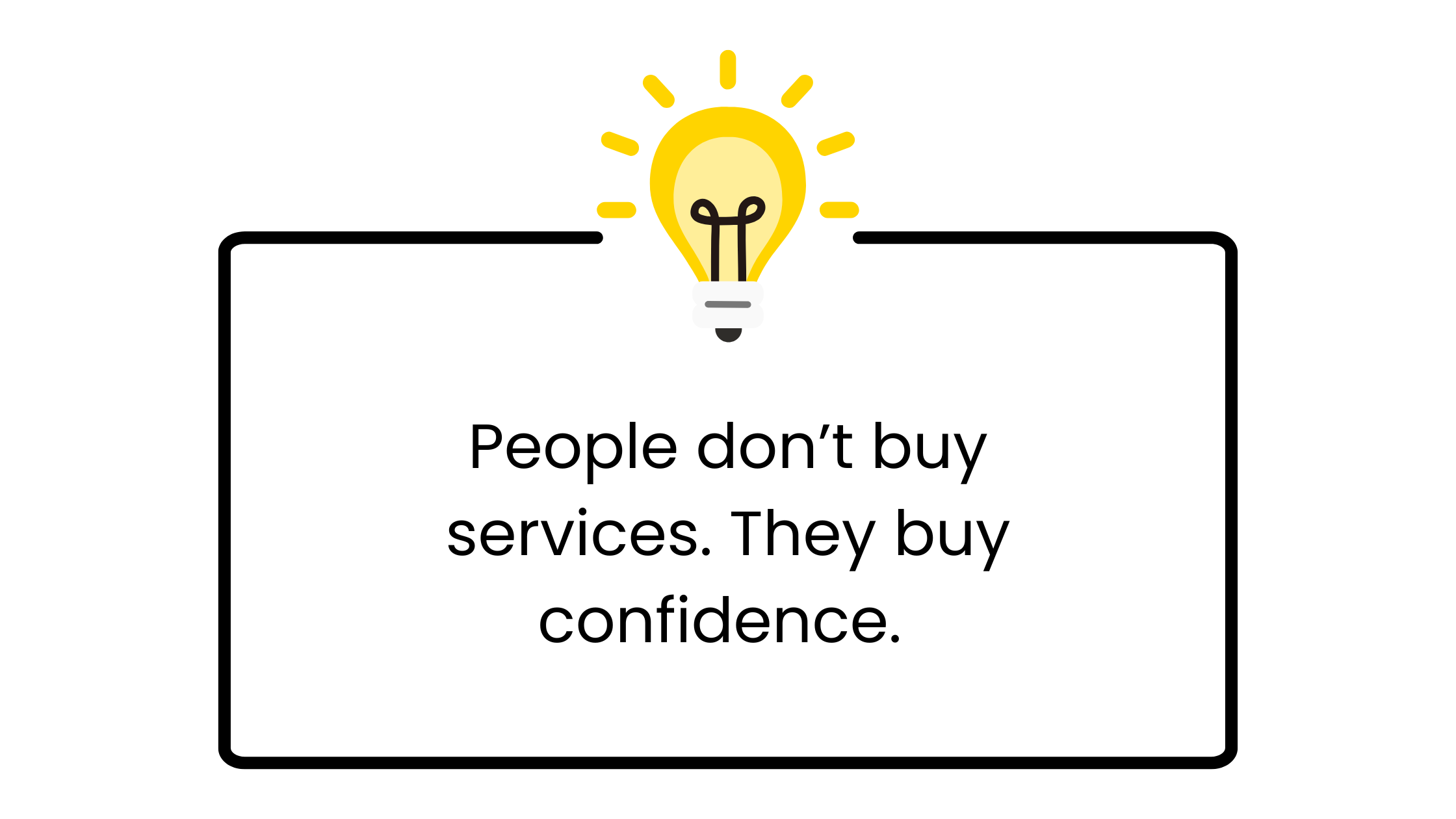
And confidence comes from trust.
Showcase Client Success Stories and Case Studies
Your future clients want proof.
They don’t just want to hear that you’re “experienced” or “results-driven.” They want to see it in action.
That’s where case studies and success stories become powerful.
A strong case study should clearly explain:
The client’s challenge
Your solution
The measurable result
Whenever possible, use real numbers:
Revenue increased by 32%.
Admin time reduced by 10 hours per week.
Tax liability reduced by £18,000.
Specifics build credibility. General claims like “improved efficiency” don’t land the same way.
For best results:
Use short, punchy testimonials on social media
Publish detailed case studies on your website
Reference real outcomes in sales conversations
This isn’t about bragging. It’s about clarity.
You’re showing people what working with you actually looks like.
Display Professional Certifications and Awards
Credentials matter.
But here’s the honest truth: they’re not enough on their own.
Yes, qualifications build trust.
No, a string of letters after your name won’t automatically make you stand out.
Instead of just listing certifications, explain what they mean.
If you’re a specialist accountant, tell your audience:
What extra knowledge you have
How it protects them
Why it improves their results
Make your credentials client-focused.
Create a dedicated section on your website for certifications and awards. Reference them where relevant — LinkedIn, proposals, email signatures.
But always connect them back to the outcome for your client.
That’s where the real power sits.
Leverage Client Testimonials and Reviews
Testimonials are social proof in their most relatable form.
While case studies show structure and strategy, testimonials provide authentic, emotional validation.
When collecting testimonials, don’t ask:
“Can you write me something nice?”
Instead, ask:
What problem were you facing before working with me?
What changed after we worked together?
What did you value most about the experience?
Specific questions lead to detailed, meaningful feedback.
Video testimonials are even stronger. They don’t need to be professionally produced. A simple, genuine recording works perfectly — as long as the message is clear.
Also, don’t forget about online reviews.
Encourage happy clients to leave feedback on your Google Business Profile or relevant industry platforms.
Respond to all reviews — positive and negative — professionally. It shows accountability and care.
Trust isn’t built through perfection.
It’s built through transparency.
Create Authority Through Thought Leadership
Authority isn’t about ego. It’s about clarity, consistency, and contribution.
When you share insights about your industry, you come across as someone who understands the bigger picture.
That builds confidence before the first consultation even happens.
Share Insights about Your Industry
Talk about:
Regulatory updates
Industry trends
Emerging risks
Common mistakes
But don’t just repeat what everyone else is saying.
➟ Add your perspective.
➟ Your experience.
➟ Your observations.
➟ Your previous client patterns.
That’s what makes your content valuable.
Answer the Questions You Always Get Asked
If you explain the same concept to clients repeatedly, turn it into content.
That blog post you’ve been meaning to write?
It probably answers a question you already handle weekly.
When you create content around real client concerns, you:
Demonstrate expertise
Build trust
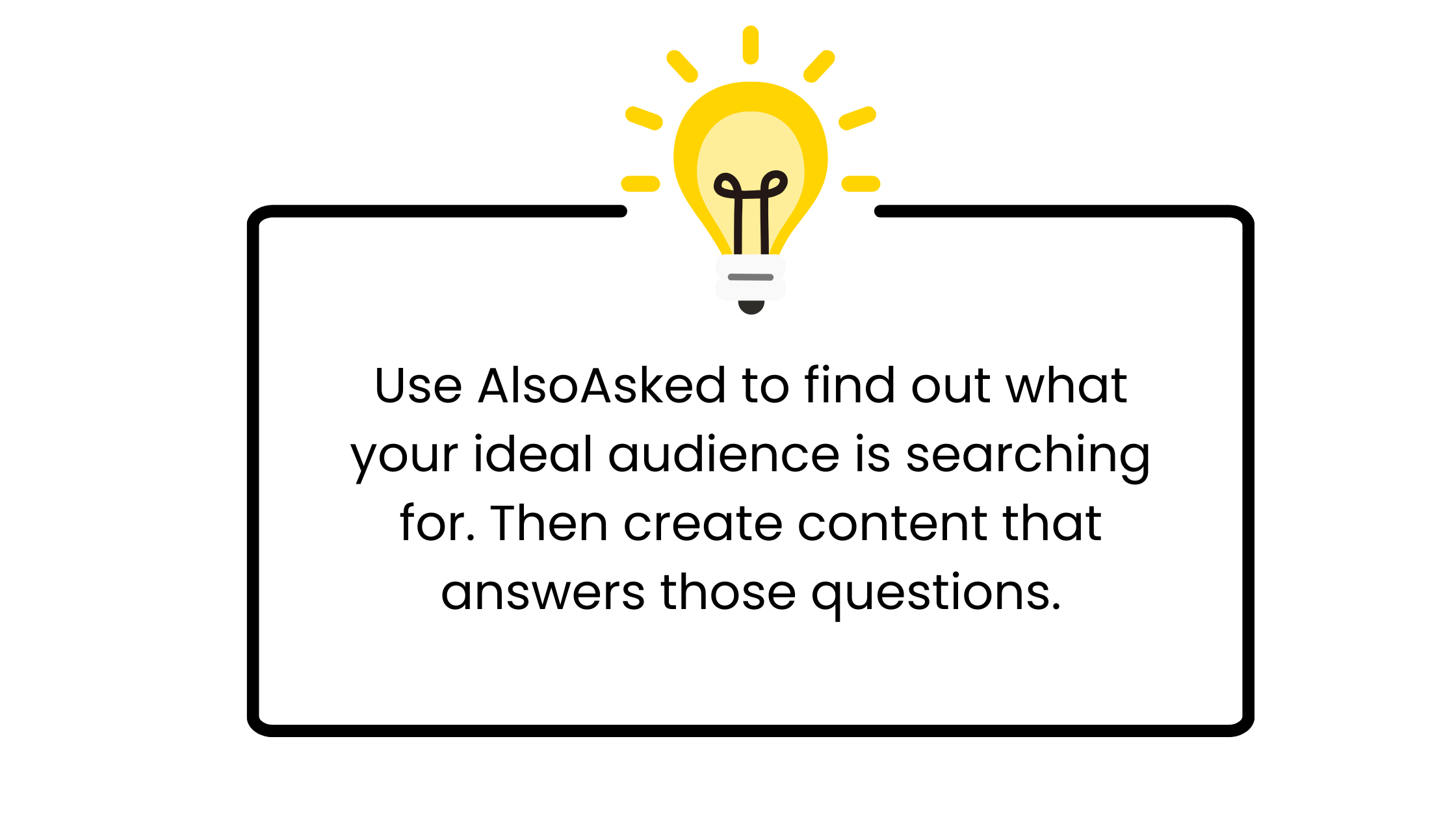
Improve SEO
Save yourself time in the future
And consistency matters more than perfection.
You don’t need to go viral.
You need to show up regularly.
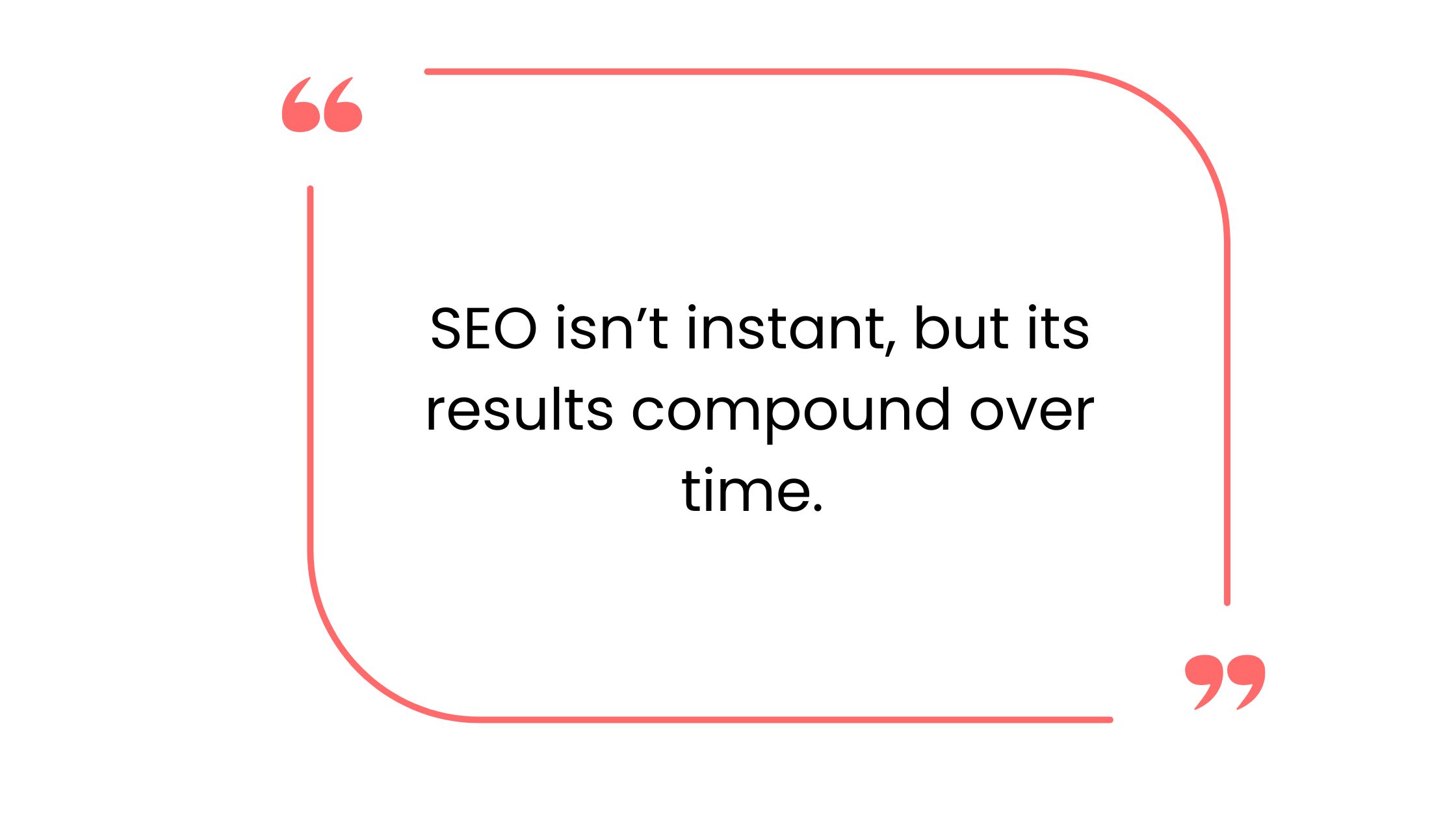
That’s how authority builds up over time.
Use Content Marketing
If you want to achieve growth, content marketing is one of the most sustainable approaches available to professional service providers.
Done properly, it supports:
SEO
Trust-building
Lead generation
Brand awareness
Let’s break it down.
Develop Educational Blog Posts That Solve Problems
Start with real pain points.
➟ What are your clients worried about?
➟ What confuses them?
➟ What decisions feel overwhelming?
Turn those conversations into structured blog posts that:
Explain the problem clearly
Break down the solution
Provide step-by-step instructions
Go deep. Surface-level advice doesn’t build authority. Examples, frameworks, and real-life scenarios provide genuine value.
Most importantly, incorporate search terms naturally. It’s how your content will rank when someone’s actively looking for help.
Search intent matters more than vanity traffic. Thousands of random readers might seem like a big win, but the right readers are what moves the needle.
Unsure of how to write a blog post that the search engines and your audience love? Check out my free guide.
Create Video Content to Demonstrate Expertise
Video is one of those things that us marketers love to talk about - but even we find it hard to produce. However, if you want to get your professional services business out there, videos are one of the most effective ways to do it.
And no, I’m not talking about Instagram Reels with you drinking your coffee.
As an accountant, lawyer, consultant, or anything else in the sector, your superpower lies in your ability to break down concepts and advise clients.
So, instead of following influencer hype, create videos that actually offer value.
Ideas that work well for professional services:
Short explainer videos (3–5 minutes)
Webinar recordings
FAQ videos
Walkthroughs of processes
Case study breakdowns
You don’t need a full production studio.
Clear audio. Good lighting. Confident delivery.
That’s enough.
And remember — video content can be repurposed into blog posts, social captions, email content, and LinkedIn articles.
One piece of core content can create multiple marketing assets.
Publish Industry Reports and White Papers
Original research and perspectives are authority builders. Survey your clients, analyse trends, and share your insights with others.
Reports, case studies, and white papers don’t just showcase your knowledge; they also attract backlinks, attract email subscribers, and can be powerhouses for your PR strategy.
Digital Marketing Channels for Maximum Reach
Creating great content is one thing.
Making sure the right people see it? That’s all about having the right strategy.
Optimise Your Site for Search Visibility
Your website is your digital foundation.
If it’s not optimised properly, potential clients simply won’t find you when they need your services.
Start with keyword research.
Focus on long-tail phrases that reflect real client problems, not generic terms.
For example:
Instead of “accountant”
Try “small business tax planning for contractors”
Create dedicated service pages for each service.
Avoid lumping everything into one vague page. Each service deserves:
Clear explanation
Testimonials
Case studies
Specific calls to action
Technical SEO also matters:
Fast loading speed
Mobile optimisation
Secure HTTPS
Clear site structure
And if you serve a local area, local SEO becomes essential.
Keeping your Google Business Profile updated, encouraging reviews, and adding location-specific pages all make a huge difference.
But only if you use it strategically.
Your headline shouldn’t just say your job title. Instead, it should clearly outline the problem you solve.
So, instead of “Solicitor for Businesses” the headline should be “Helping Small Businesses Steer Through Complex Employment Law Without Costly Mistakes”
LinkedIn is most powerful when you use it to share opinions and insights. Sales pitches should be your last priority - until you have a loyal following.
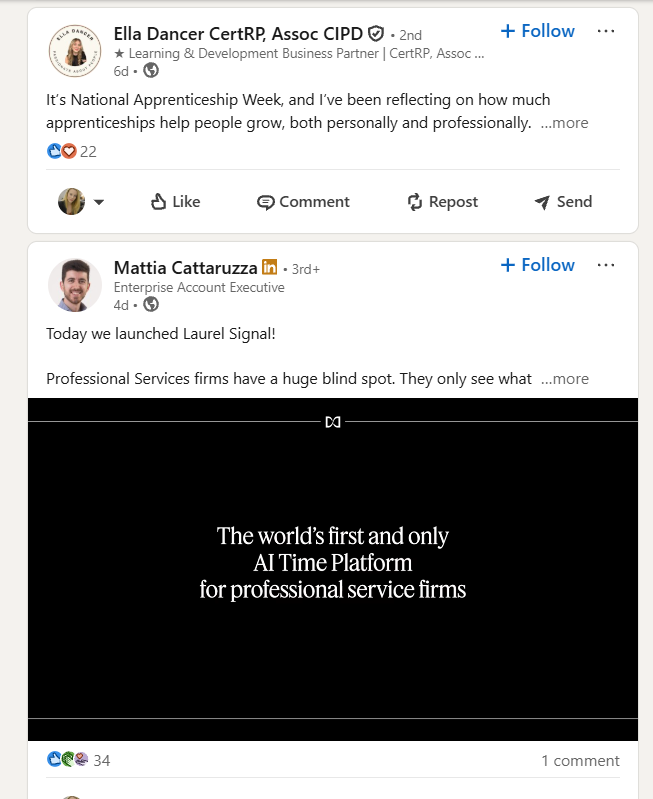
Now, for the thing I constantly see my clients forgetting: COMMENTING. Creating content without commenting on other people’s posts is like saying “I’m here”, but I don’t care about you.
Make an effort to comment on other people’s posts, and you’ll notice that others begin to comment on yours.
When you leave a comment, make sure it offers value. Instead of “great post”, share a conflicting opinion, expand on the person’s original point, and ask them questions.
Comment on other people’s posts
Don’t Ignore Email Marketing
Email marketing remains one of the highest ROI channels available (Forbes).
Build your list organically by offering useful resources:
Checklists
Templates
Guides
Reports
Segment your audience where possible.
A warm lead needs different messaging from a long-term client.
Create simple automated sequences:
Welcome emails
Follow-ups after downloads
Client onboarding emails
And keep your newsletters valuable by offering helpful content.
Use Pay-Per-Click Advertising for Immediate Results
If you want quicker visibility, PPC can be effective.
Google Ads work particularly well for high-intent searches.
Focus on:
Specific keywords
Clear ad copy
Dedicated landing pages
Strong calls to action
Don’t send traffic to your homepage. Instead, create focused landing pages aligned with each campaign.
Track performance carefully, and use negative keywords to avoid irrelevant clicks.
Paid traffic without tracking is wasted budget.
Harness the Power of Social Media
Professional services don’t need to dance on TikTok to grow. But social media can absolutely support your visibility.
The key? Value over volume.
Follow the 80/20 rule:
80% educational and relationship-building
20% promotional
Share:
Industry insights
Process breakdowns
Team highlights
Client wins (with permission)
Consistency matters more than chasing trends.
Show up.
Educate.
Engage.
That’s how you build genuine growth.
Relationship Building and Networking
Marketing for professional services isn’t just digital; the human element will always matter.
You can’t rely on seasonal sales or BOGOF offers: your growth comes from building a reputation. And that’s why networking and relationship building should be high on your list of priorities.
Take Part in Industry Events and Conferences
Choose events where your ideal clients attend — not just where your peers gather.
Prepare in advance.
Research attendees.
Plan conversations.
Focus on helping, not selling.
And follow up quickly.
A thoughtful follow-up note referencing your conversation makes you memorable. If you can, speak at events - even short presentations position you as an expert.
Build Partnerships
Look for complementary businesses serving the same audience. For example, accountants and solicitors, financial advisors and mortgage brokers, and marketing consultants and web designers can build mutually beneficial referral systems.
Hosting joint webinars, creating collaborative content, and strategic cross-referrals can multiply your growth without multiplying ad spend.
Create a Referral Program
Your happiest clients are your best marketing asset.
Design a simple referral system.
Offer meaningful rewards:
Service credits
Charity donations
Make it easy for clients to refer you.
Provide:
Introduction templates
Service summaries
Clear contact processes
And always acknowledge referrals promptly.
Gratitude builds loyalty.
Measuring + Optimising Your Marketing
Marketing without measurement isn't a strategy.
It’s guessing.
Measure key performance indicators for each channel:
Website traffic
Lead conversions
Email engagement
Referral rates
Client acquisition cost
Look beyond surface metrics. One channel might generate fewer leads — but higher-quality clients.That matters.
Calculate ROI monthly.
Compare revenue against marketing investment.
Shift focus toward high-performing activities.
Refine what isn’t working.
Growth isn’t static.
It’s iterative.
Final Thoughts
Building a successful marketing strategy for professional services isn’t about doing everything at once.
It’s about:
✔ Building trust
✔ Demonstrating expertise
✔ Creating valuable content
✔ Nurturing real relationships
✔ Measuring what matters
Start with one or two strategies which align naturally with your strengths.
Master them.
Then expand.
Marketing should support your business growth — not overwhelm it.
And remember: You don’t need to be the loudest voice in your industry. You need to be the most trusted.
Need some help getting started? My Clear Path Strategy gives you in-depth marketing insights that your team can action. I also offer an affordable monthly Digital Marketing Made Easy package, which is where I handle everything for you.
