
How to Get Backlinks 101
The Complete Beginner’s Guide (2026 Edition)
Backlinks are a vote of confidence. They tell search engines, “Hey, this content is worth paying attention to.” And when those votes come from the right places, your rankings follow.
But backlinks are also one of the most complex parts of SEO. On the surface, they seem easy - but small businesses often find that attracting backlinks is an uphill struggle.
Do you need them? Absolutely. Will it be easy? No.
In this post, I’ll cover how to get backlinks the right way, and reveal which strategies you should avoid.
What Is a Backlink?
A backlink is simply a link from another website to yours.
Think of it like a recommendation. When a relevant, trustworthy site links to your content, it’s telling search engines, “This page is legit.”
Not all backlinks are created equal — and that’s where most people get stuck.
Why Search Engines Value Backlinks
Search engines have one mission in mind: to find the best possible answer or solution to a search query. Backlinks help them figure out:
Which content is credible
Which sites are industry leaders
Which pages deserve to rank higher
In 2026, Google is far better at evaluating quality over quantity. Ten strong, relevant links will outperform 100 random ones every time.
The Types of Backlinks (DoFollow vs NoFollow, Contextual vs Directory)
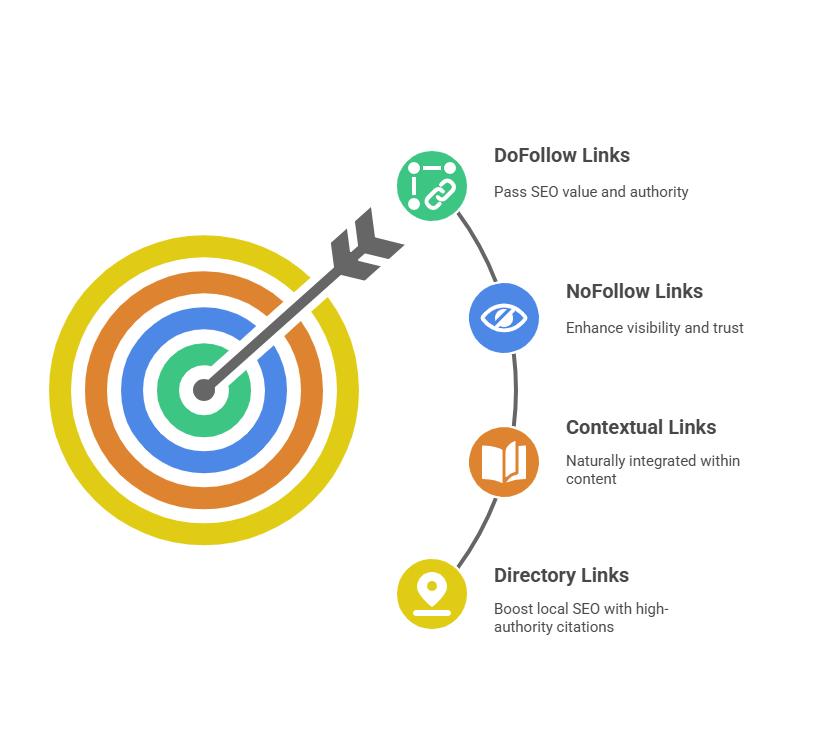
DoFollow: These links pass SEO value and are the gold standard in off-page SEO.
NoFollow: Useful for visibility and trust, but they don’t pass direct authority.
Contextual Links: Contextual links are placed naturally within content.
Directory Links: Great for local SEO, but they can be hit-or-miss. They’re only effective when you get citations from high-authority and niche-relevant domains.
The Role of Relevance and Domain Authority
Here’s an important thing to remember: A backlink from a smaller site in your niche can be more powerful than a big, generic site.
Relevance + authority is the sweet spot. Always.
If I Create Great Content, the Links Will Naturally Follow…Right?
Yes and no. You’ll often see SEO and marketing influencers say that great content is the best way to build backlinks. And, in many ways, it is. However, there’s a caveat here:
Great content only attracts backlinks when people can find it.
The problem? Small businesses face significant competition on search engine results pages. If your content doesn’t rank on the first page, few people will find it.
Backlinks are vital for high rankings, as they signal to search engines that your content is relevant, trustworthy, and valuable.
So, it’s a bit of a Catch-22 situation. You need backlinks to rank higher, so that people find your content. Once you achieve these rankings, then the links will naturally follow.
Luckily, there are other ways to build backlinks. In the next section, I’ll cover them.
How to Get Backlinks for Your Website in 2026
There are plenty of link-building strategies you can try - but some are more effective for small businesses than others.
Guest Posting (the Right Way)
Guest posting can still be an excellent way to build backlinks. But only when it’s done properly. That means:
Pitching relevant sites
Providing real value (not thin content)
Earning contextual links naturally
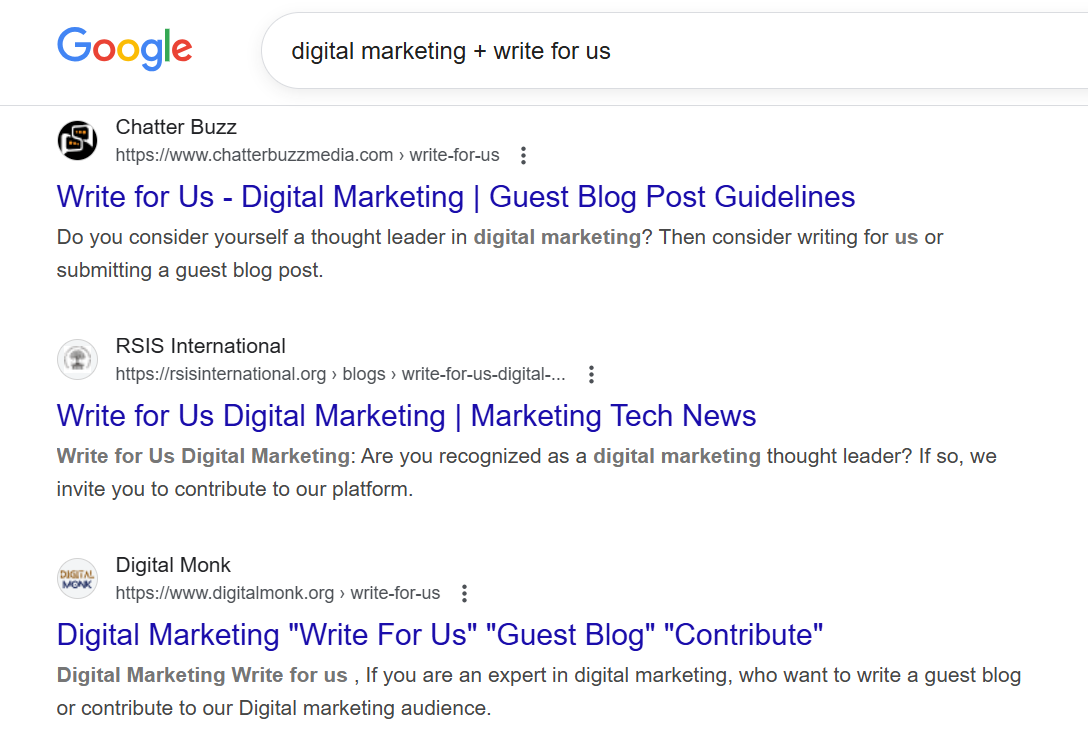
There’s a simple formula to find backlinks. Just type this into Google, and you’ll see relevant opportunities: [Industry/Keyword] + Write for us.
Read the Submission Guidelines
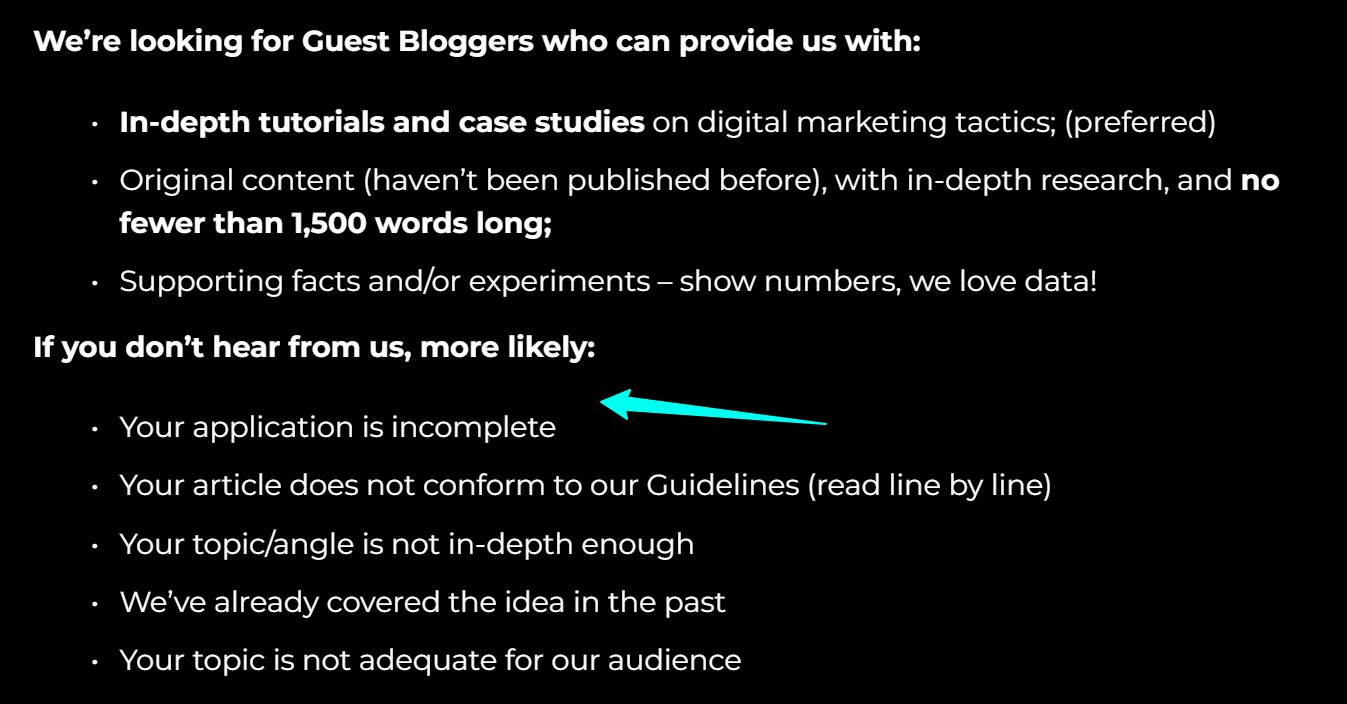
When you find suitable websites, always read their submission guidelines. They tell you the type of content the publication is looking for, how to format it, whether they’ll accept links to your website, and ways to submit it.
Failing to follow these instructions means your content will probably be ignored. High-authority websites get hundreds of submissions a month. If yours doesn’t align with what they’re looking for, you probably won’t even hear back from them.
A Note on Sponsored Guest Posts
It’s becoming more common for websites to publish your post in return for a fee. In most cases, this covers editorial and formatting costs - and there’s nothing wrong with this if you’re happy to pay.
However, wherever possible, find high-authority sites that don’t charge. These websites will only publish your content if they find it genuinely valuable.
Journalist Outreach
This is my personal favourite backlink building strategy. It’s ultra-accessible, delivers results, and offers excellent opportunities.
Websites like Qwoted and Featured connect publishers with experts. You answer their questions, and if they accept the submission, you’ll earn a backlink.
Again, it’s all about finding relevant posting opportunities - which is harder for some industries.
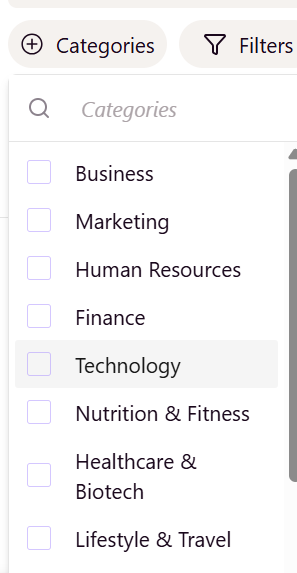
As you can see from Featured, there are a range of categories to choose from. Find the one relevant to your industry and follow the publisher's request:
Top Tips for Answering Questions:
Answer fast
Be concise
Provide actual expertise
Use your personal experiences.
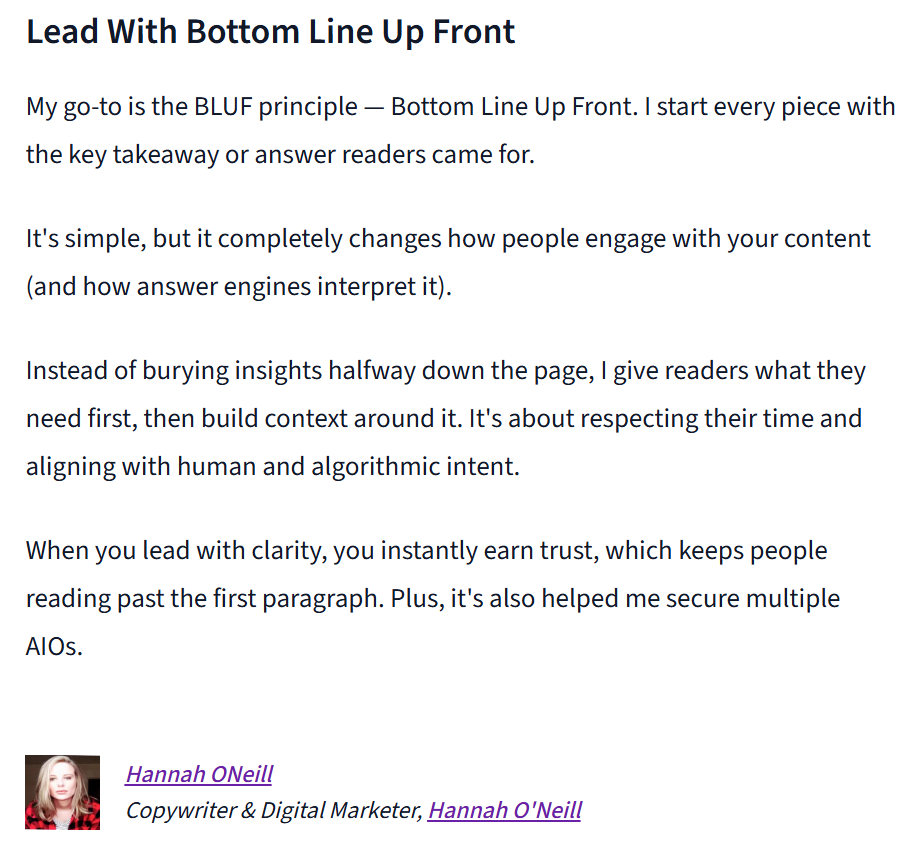
Here’s an example of one of my answers that got Featured:
Broken Link Building Made Simple
Broken link building is still one of the most effective SEO tactics because it’s essentially a value exchange. You’re not asking someone for a link; you’re helping website owners fix 404 errors that can affect user experience.
Here’s how to do it:
Find Broken Links: Look for websites in your niche and use tools to find broken links. If you don’t want to pay for premium tools, Check My Links is a free browser extension that’s a great starting point.
Offer Your Content: If you find a dead link, check what the content was about (use the Wayback Machine if you can’t find the information). Then contact the web owner, explain that there's a broken link, and offer your content as a replacement.
Be Helpful: You’re not pitching your content or making big claims. It’s about being helpful and positioning your content as a solution.
Broken link building can be hit-or-miss, but it’s a surprisingly effective way to secure links without creating guest posts.
Create Coupons
Whether you sell products or offer services, coupons serve multiple purposes. They attract traffic to your website, can result in more sales/leads, and show that you care about customer experience.
Plus, when you upload coupons to a reputable site, you get some high-value backlinks. Options for small businesses include:
Skyscraper Technique 2.0
Once your website has some traction from your SEO backlink building efforts, it’s time to focus on making sure your content naturally attracts links. The skyscraper method used to be about creating longer content - but in 2026, it’s all about quality.
How to Create Content That Beats the Competition:
Type your main keyword into the SERPs and look for the top four organic results (they’re below the sponsored content).
Open each post and see what your competitors are doing.
Use ChatGPT to assess the posts and identify gaps.
Create content that fills these gaps and provides readers with helpful information.
Promote your content using social media, SEO, and the broken link method.
Digital PR and Linkable Data Studies
Journalists and anyone creating content love data studies. They’re easy to pull information from, back up claims, and are goldmines for link building.
When creating linkable data studies, there are two ways to go about it:
Collate Statistics: Requires some research, but is easier and more accessible for small businesses. Just remember to share original insights.
Do Your Own Research: This method requires more time, as you’ll need to analyse trends and run surveys. However, it’s more likely to attract links because the research is original.
Local SEO Link Building Strategies for 2026
Whether you’re a local business or have an online presence in multiple locations, local link building is a must. When you secure high-authority links in your local areas, it shows search engines who you are, what you do, and where you do it.
In a mobile-first society, where potential clients and customers are likely to search for services in their local areas, demonstrating relevance is a massive trust signal.
Local backlinks can also be easier for small businesses to obtain. Once you gain a presence, you can start focusing on national publications with more authority.
Start With Local Citations (But Do Them Properly)
Let’s face it; local citations aren’t exciting. You’re finding directories and filling in your information. But getting your name in these directories makes it easier for people to discover your business.
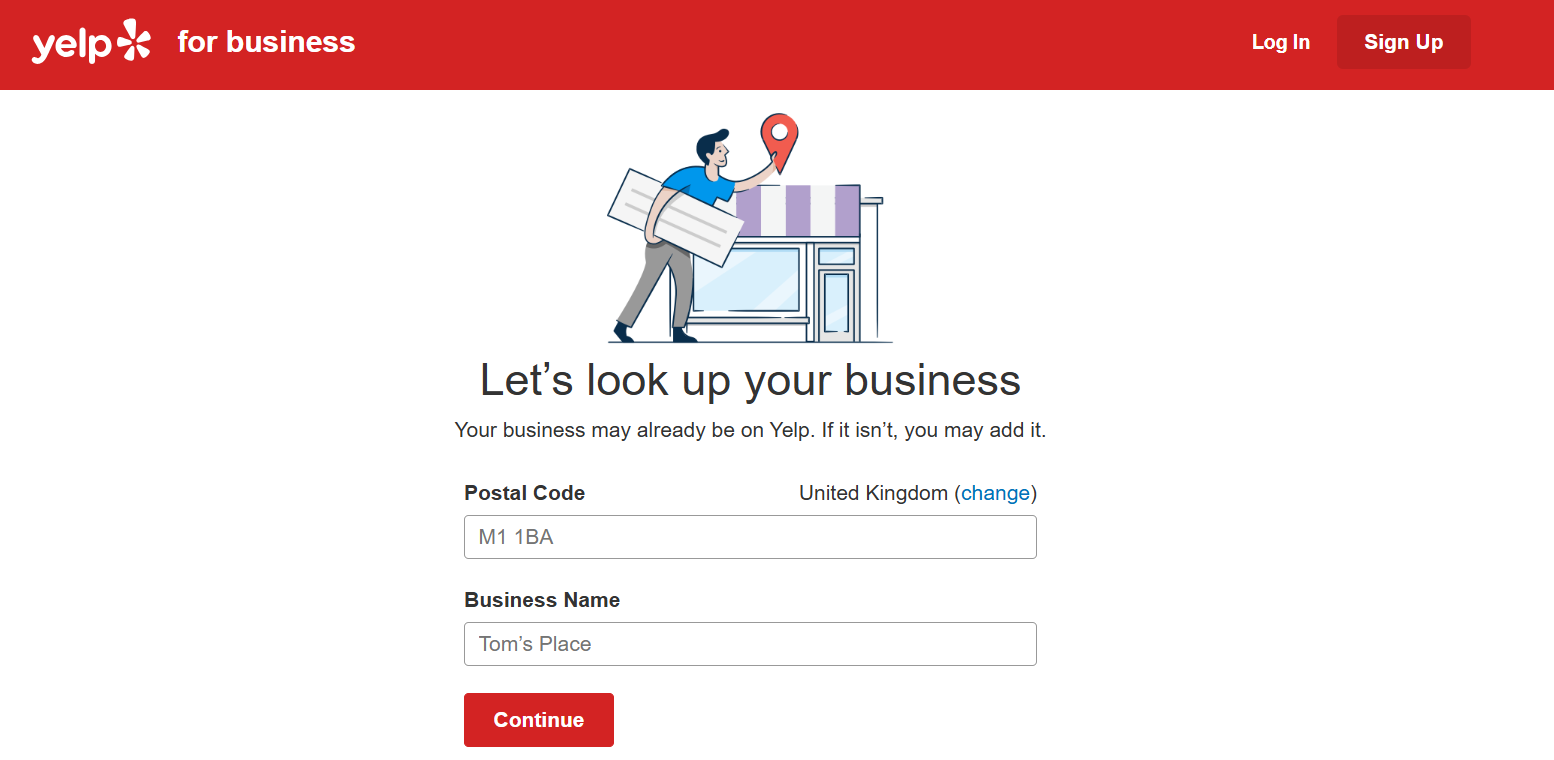
There are loads of directories available, but popular options include:
Local directories specific to your industry or city (find them by typing your location, industry, and directories into the search engine).
Your NAP details (name, address, phone number) should match exactly everywhere. Even minor inconsistencies can dilute trust.
Partner With Local Businesses
Other local businesses are probably in the same boat as you! Struggling to stand out, competing against bigger companies, and trying to justify spending money on promotion mean one thing: teaming up will save money and could lead to new partnerships.
For example, agreeing to become referral partners, co-hosting events, and teaming up with service providers can help you grow and gain more authority within your community.
A link from a respected local business site is far more powerful than a random high-authority site with no geographic relevance.
Sponsor Events
Sponsoring events is another effective way to get local backlinks. Whether you choose to do something for charity or contribute money to a local event, it shows you care about the community and also gives you a backlink.
Schools, sports clubs, and local business exhibitions can all get your name out there. One thing I would say is if you choose to go the non-profit route, make sure the organisation aligns with your values.
Avoiding Toxic Links
There was a time when it didn’t matter where you got links from so much, as long as you had them—however, search engines like Google now factor in link quality when ranking your website.
Poor quality, irrelevant content, and link purchasing can harm your ranking. In worst-case scenarios, you might also receive a penalty from Google, which impacts your ability to rank in the future.
Spammy Links Usually Come From:
Link farms
Irrelevant foreign sites
Auto-generated content
If you have a paid SEO tool like SERanking, it measures the toxicity of your links so you can take action. But intuition is also important. If someone offers to build 20 links for £50, these links aren’t going to be high-quality.
If it feels sketchy, it probably is.
How to Disavow or Remove Them
If you want to remove a spammy link, the first step is to ask the website to remove it. Unfortunately, this is hard if you’ve bought links. So, the most effective way is to use Google’s Disavow Tool.
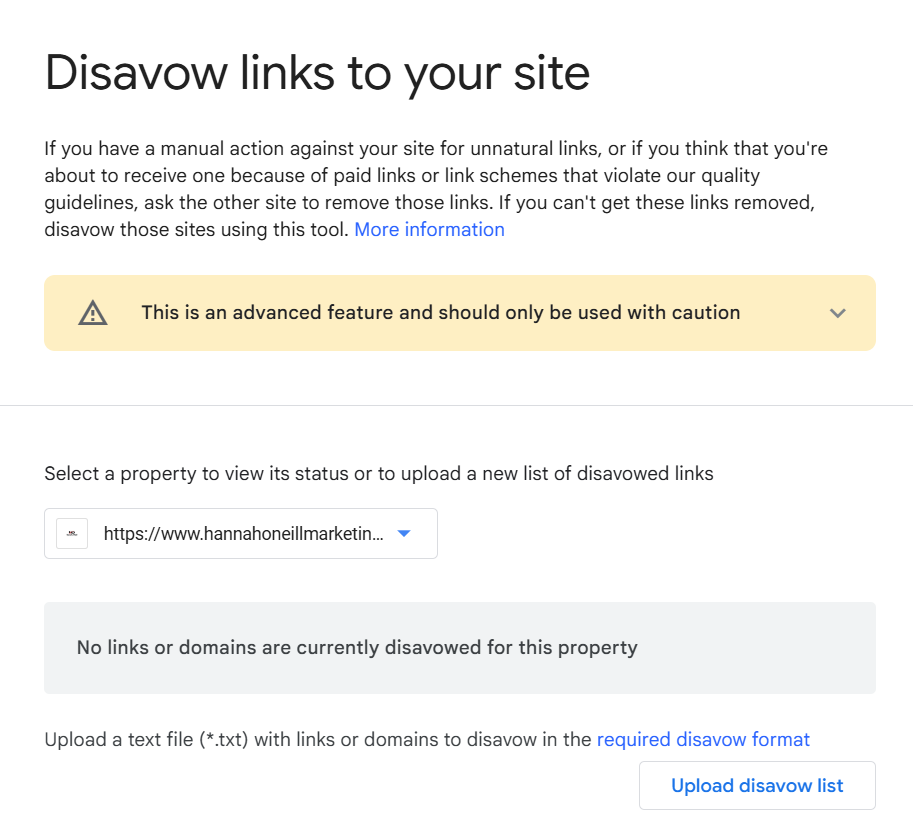
Once you select the links that you want to remove, just follow the instructions.
Backlink Outreach Templates
Guest Post Pitch Example
Subject: Guest post idea for [Site Name] readers
Message:
Hi [Name],
I was reading your post on [specific article/topic] and loved your point about [specific takeaway]. I noticed you haven’t covered [gap or related angle] yet, and I think your audience would really benefit from it.
I’d love to contribute a guest post titled:
“[Proposed title tailored to their audience]”
It would cover:
[Bullet point 1 – clear benefit]
[Bullet point 2 – actionable insight]
[Bullet point 3 – unique angle or data]
I write regularly about [your niche] and would tailor everything specifically for your readers — no recycled content.
If that sounds useful, I’m happy to send you an outline.
Thanks so much,
[Your Name]
Broken Link Outreach Template
Subject: Quick heads-up about a broken link on your site
Message:
Hi [Name],
I was browsing your page on [page topic or URL] and noticed one of the links under [section name] isn’t working anymore.
The broken link points to [brief description of the dead resource]. I recently published a similar, up-to-date resource here:
[Your URL]
If you’re updating the page anyway, feel free to use it as a replacement — totally up to you.
Either way, I just wanted to flag the broken link in case it helps.
Best,
[Your Name]
Final Thoughts
Backlinks in 2026 aren’t about tricks or hacks. The key to building links for your business is about strategy. Once you find outreach opportunities and build authority, then the links will come to you through great content.
My top recommendation? Start with platforms like Featured, build local links, then scale your content creation and use advanced methods.
And, if you need some help along the way, my SEO consulting services are priced to fit around your budget.
FAQs
Can you rank high without backlinks?
It depends on your industry and the amount of competition. Technically, by targeting long tail and long volume keywords, you can rank high, but that’s because there’s less competition.
Most small businesses - even small local ones - face competition. A combination of backlinks and on-page SEO is what you need to gain traction.
How many backlinks do I need?
There’s no set number. Quality matters more than quantity. For example, a website with 100 poor-quality, irrelevant backlinks might not rank as high as a competitor with 10 high-quality, location- and niche-relevant links.
How fast should I build links?
Building links naturally is best. If you suddenly get 20 backlinks at once, it looks suspicious, and search engines could think they’re spam links.
